How to Conduct a Needs Assessment
Audio Guide + Step-by-Step Framework for Nonprofit Founders
Before you start a nonprofit, raise funds, or recruit a board — you must confirm there is documented need.
This practical audio guide walks you through exactly how to do that.
Why Most Nonprofits Skip This Step
“If I care deeply, others will too.”
“Funding will follow passion.”
“The need is obvious.”
In reality, funders, boards, and communities require evidence — not assumptions.
What This Guide Covers
Identifying real community need
Gathering credible data
Conducting interviews and surveys
Avoiding founder bias
Documenting findings for funders
Turning research into a clear problem statement
About This Audio Resource
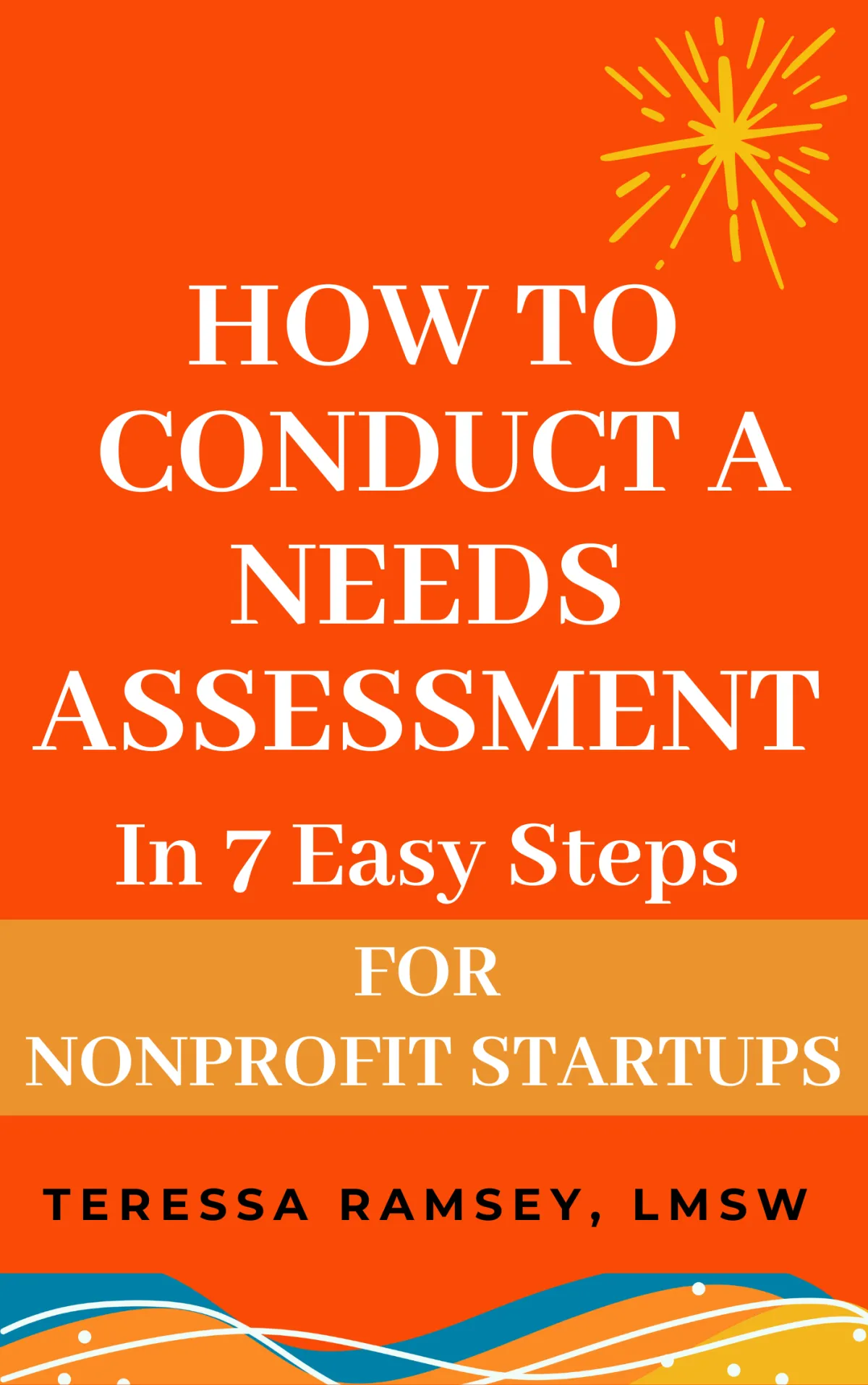
This audio guide is based entirely on my original written framework, How to Conduct a Needs Assessment in 7 Easy Steps:For Nonprofit Startups.
AI technology was used to generate an audio version of this material so that nonprofit leaders can access the content in multiple formats. The underlying concepts, structure, and guidance are my original work.
Technology can expand access to education. It does not replace professional judgment. Oversight remains human.
Ready for the Full Framework?
Grab your copy: How to Conduct a Needs Assessment in 7 Easy Steps
Why This Matters
Across the country, I have worked with nonprofit founders at every stage — from kitchen-table visionaries to newly formed boards eager to begin. And no matter the state or community, I have seen the same pattern repeat itself.
Passion was strong. Commitment was sincere.
But documented need was assumed rather than verified.
Many believed that because the cause was compassionate, the path forward would naturally unfold. They assumed funding would follow urgency. They trusted that others would feel as deeply as they did.
Too often, that foundation proved fragile.
A thoughtful needs assessment is not bureaucracy. It is stewardship. It protects your mission from drift, your credibility with funders, and your long-term sustainability as an organization. It ensures you are responding to real community conditions — not simply personal conviction.
This is why I emphasize this step so strongly in How to Start a Nonprofit: Your Stress-Free Guide and in my work with nonprofit leaders nationwide.
Sustainable organizations are not built on passion alone. They are built on clarity, evidence, and disciplined preparation.
When you begin with a documented need, you build on solid ground.